Basudha PalI am currently a Senior Scientist at Johnson and Johnson Innovative Medicine working on developing healthcare-complaint agentic systems . I recently graduated with a PhD in Electrical and Computer Engineering at Johns Hopkins University, advised by Bloomberg Distinguished Professor Rama Chellappa. My research focuses on building fair, interpretable, and robust computer vision systems by understanding how spurious correlations and confounding signals emerge in learned representations. In domains like biometrics and medical imaging, such correlations can distort model behavior and hinder generalization. I analyze how deep models encode both task-relevant and irrelevant information using transformer-based encoders to study the structure and reliability of learned features. I also use diffusion-based generative models to create high-quality, controllable samples while reducing unwanted correlations, enabling more representative training distributions for downstream tasks. In parallel, I develop methods to detect mislabeled and atypical samples through data attribution and self-influence analysis. I am also interested in exploring vision-language models, especially in medical imaging to understand how they encode cross-modal correlations and clinical semantics. During the Summer of 2024, I was a Computer Vision R&D intern in the DSAI team at Johnson and Johnson Innovative Medicine mentored by Dr. Brendon Lutnick where I continued working until Spring 2026. Before joining Hopkins, I graduated from Manipal Academy of Higher Education, India, in 2022 with a Bachelor's degree in Electronics and Communication Engineering and a minor in Computational Intelligence. During my undergrad, I was awarded the Mitacs Globalink Research Award and Fellowship to intern at ETS Montreal. |

|
|
News
|
Selected WorksI'm interested in building trustworthy AI systems by understanding how meaningful and spurious correlations arise in representation learning, and by developing methods to strengthen informative signals while suppressing misleading ones through representation refinement and data attribution for interpretability. |
|
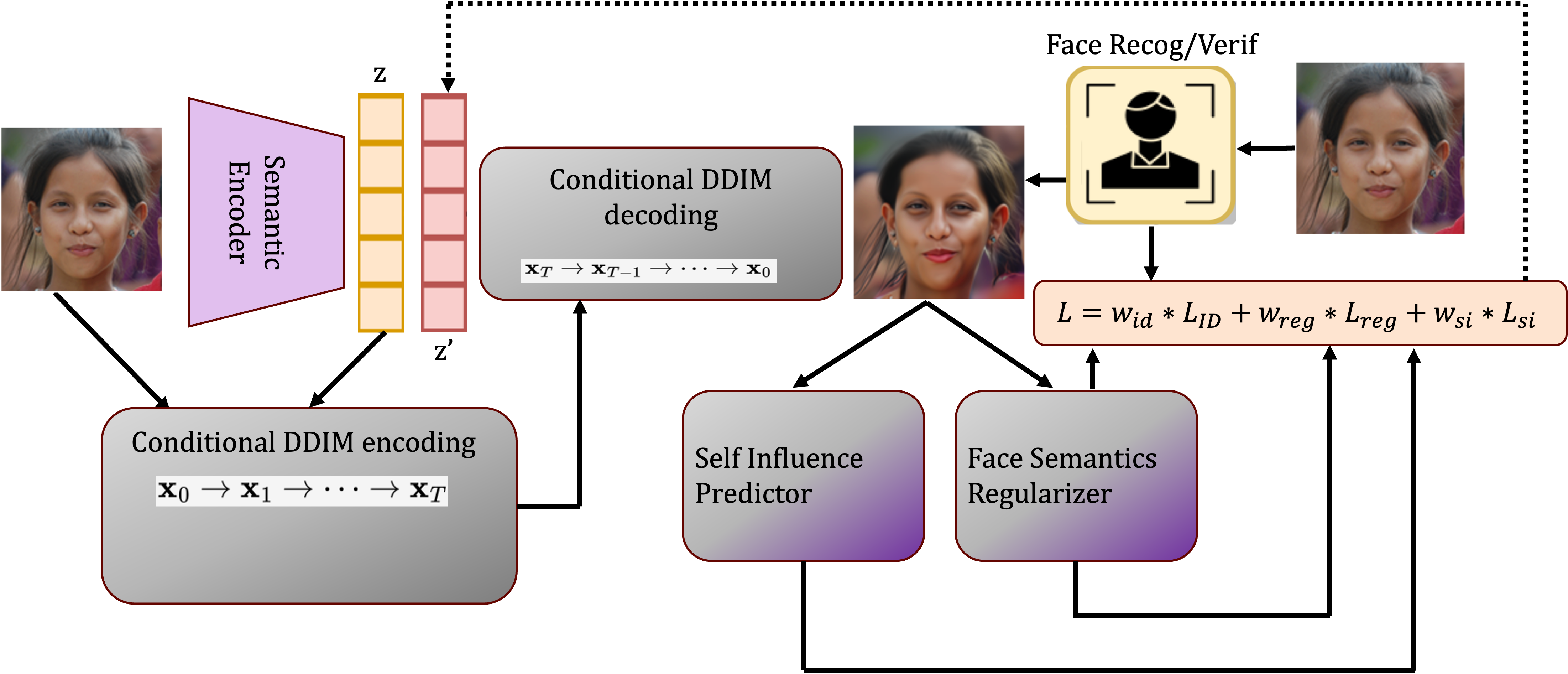
Basudha Pal, Rama Chellappa Under Review, 2026 We introduce DiffInf, a self-influence-guided diffusion framework that improves facial attribute classification by identifying destabilizing training samples and applying targeted, identity-preserving generative repair to perfectly align visual content with its assigned labels. |
|
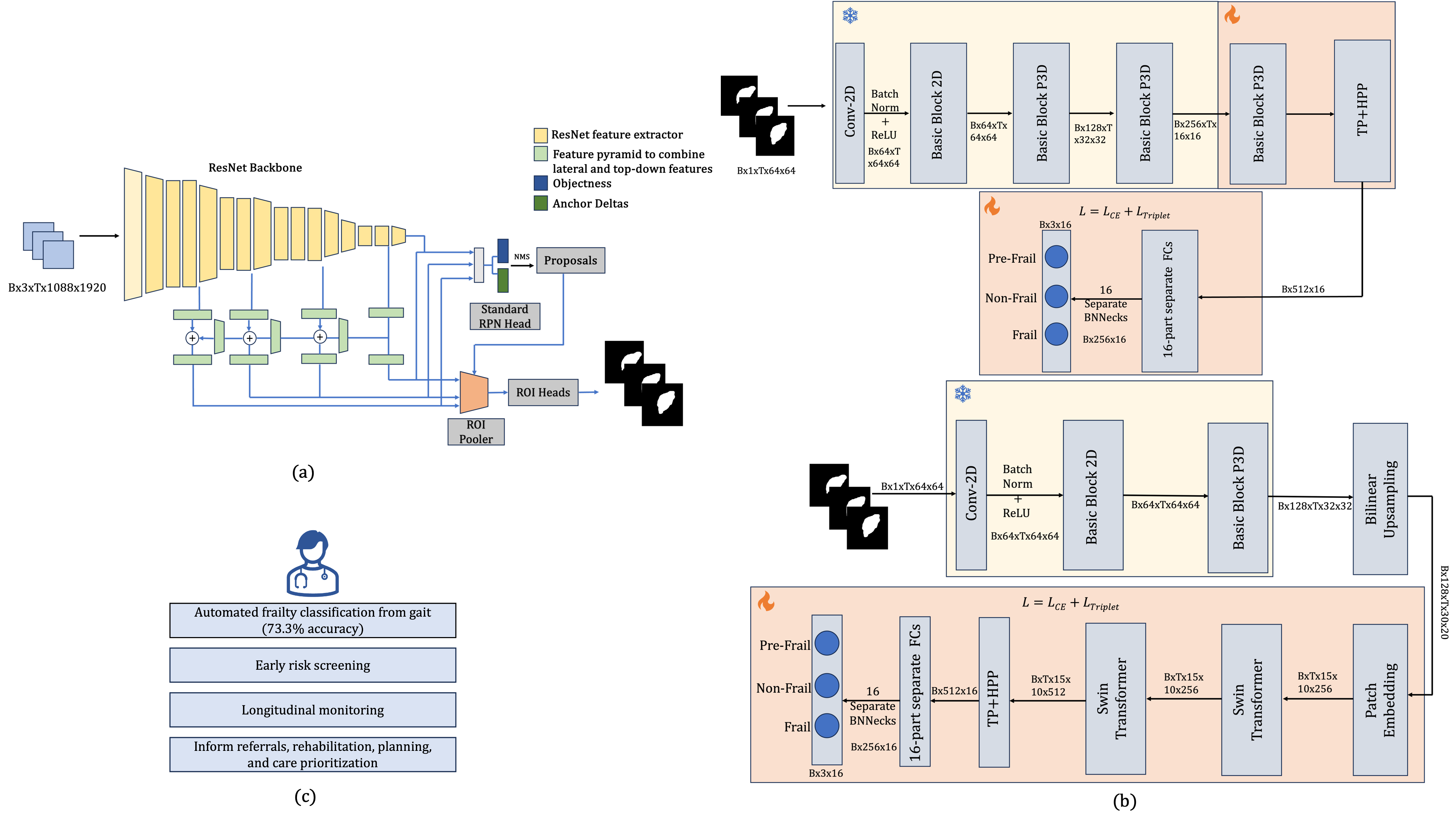
Laura McDaniel*, Basudha Pal*, Crystal Szczesny, Yuxiang Guo, Ryan Roemmich, Peter Abadir, Rama Chellappa Under Review, 2026 We introduce a new clinical silhouette based de-identified gait dataset and explore targeted fine-tuning strategies to establish a scalable, non-invasive, and interpretable framework for automated frailty classification. |
|
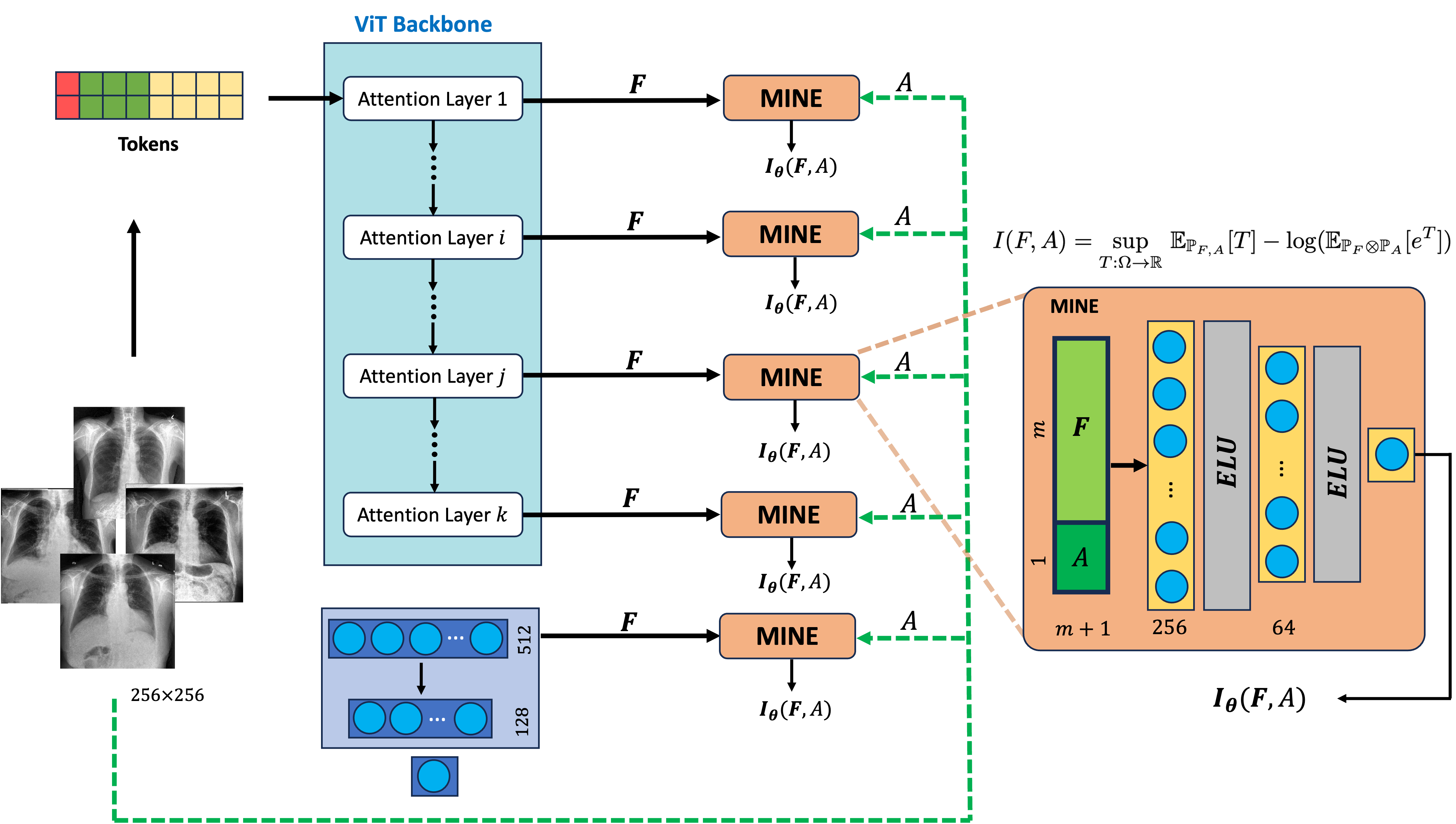
Basudha Pal, Rama Chellappa, Muhammad Umair Accepted to Biomedicines and RSNA, 2025 By fine-tuning a transformer-based vision encoder to detect severe left ventricular hypertrophy from chest X-rays alone and using MINE to quantify internal attribute encoding, we provide a highly accurate and interpretable framework for cardiac triage. |
|
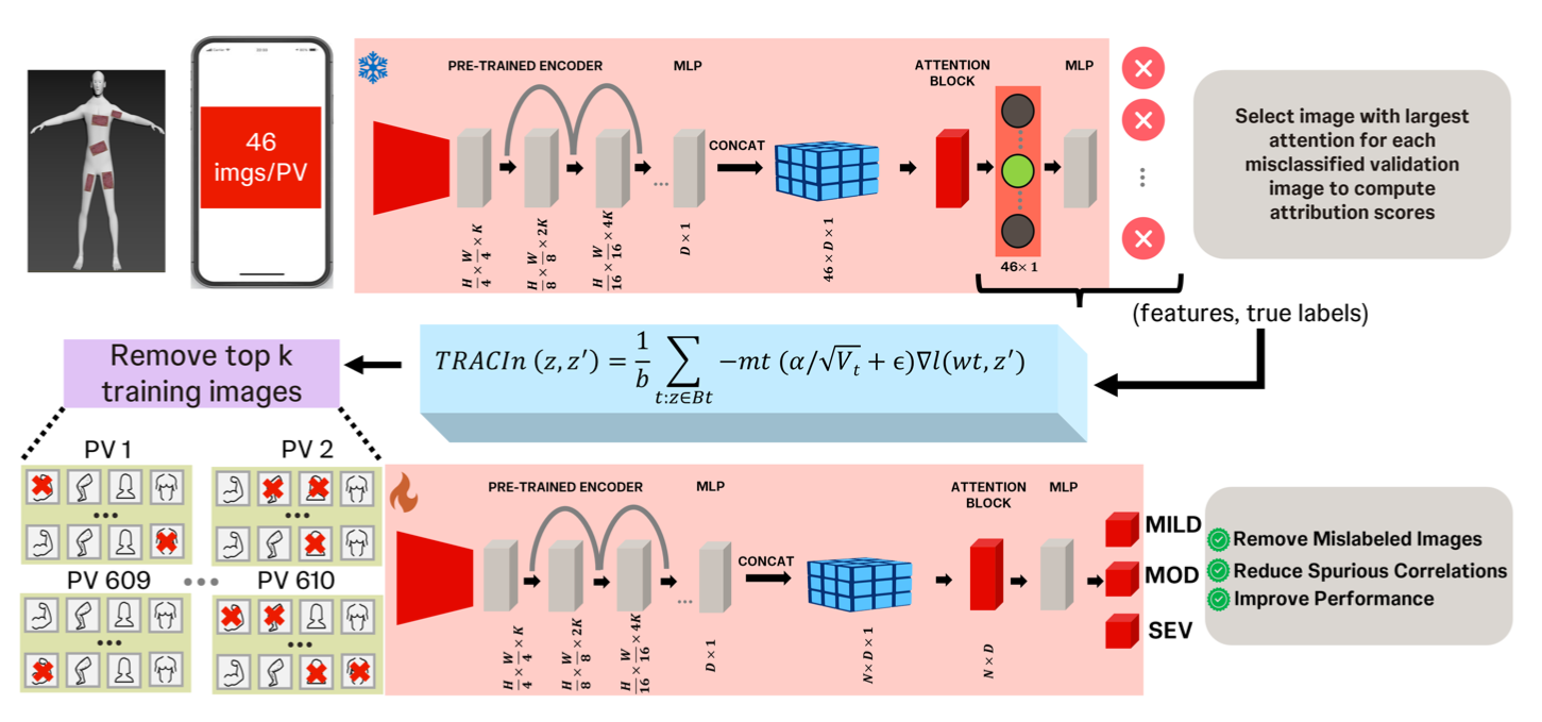
Basudha Pal, Sharif Amit Kamran, Brendon Lutnick, Molly V Lucas, Chaitanya Parmar, Asha Patel Shah, David Apfel, Steven Fakharzadeh, Llyod Miller, Gabriela Oana Cula, Kristopher Standish Accepted to MICCAI, 2025 We present a gradient-based interpretability framework within a weakly supervised multi-instance learning setup to identify training images that introduce spurious correlations and annotation inconsistencies in psoriasis severity scoring from patient-captured phone images. By removing just 8.2% of flagged samples, the ConvNeXT-based model's AUC-ROC improves by 5%, and over 90% of inter-rater disagreements are detected by reviewing only the top 30% of training data, enhancing reliability and scalability in remote assessments. |
|
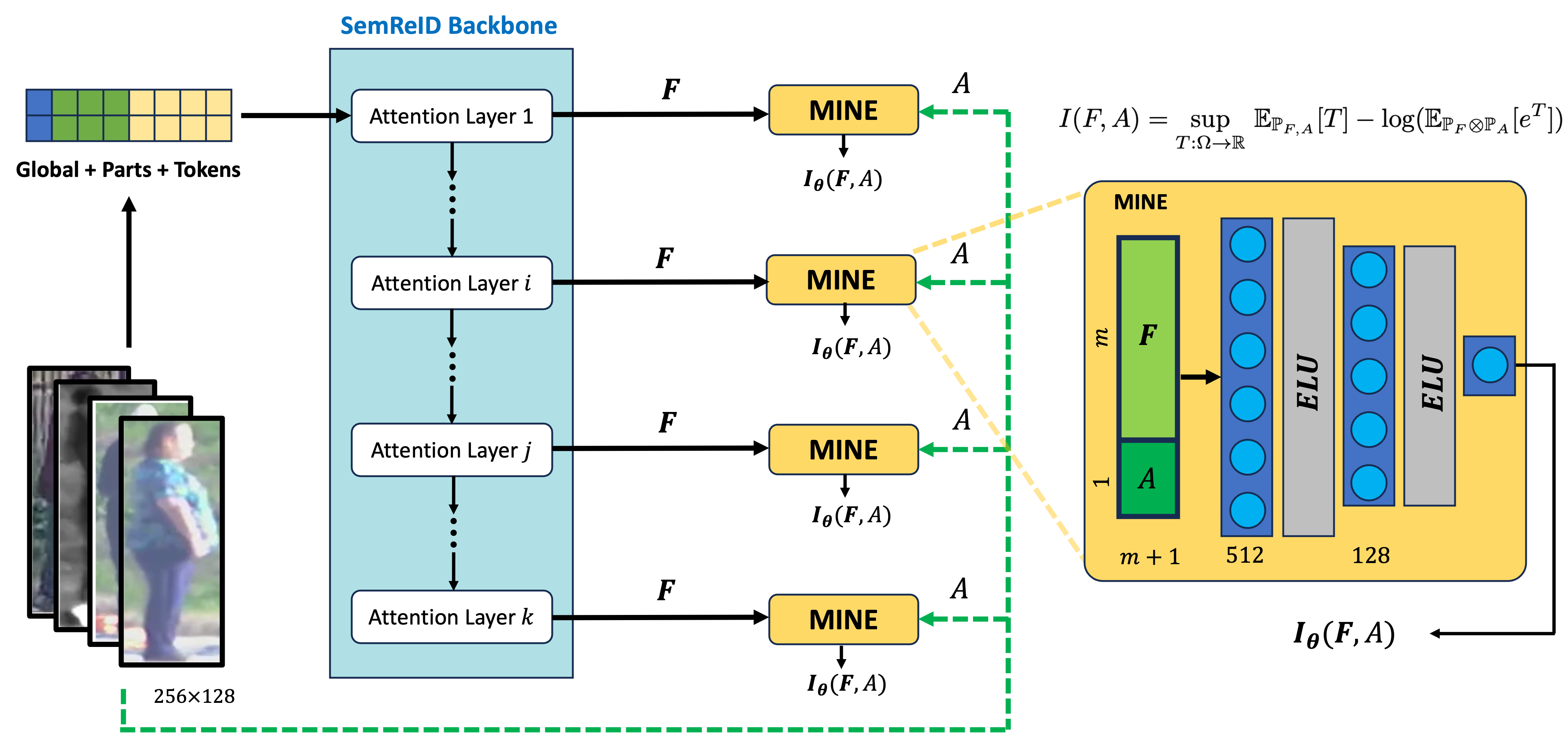
Basudha Pal*, Siyuan Huang*, Rama Chellappa Accepted to IJCB, 2025 We analyze three person ReID models, including a large scale Vision Transformer foundation model pretrained with SAM guidance, to quantify how strongly attributes are encoded. Mutual information analysis shows BMI has the highest expressivity (BMI > Pitch > Gender > Yaw), revealing persistent attribute-driven correlations in learned representations. |
|
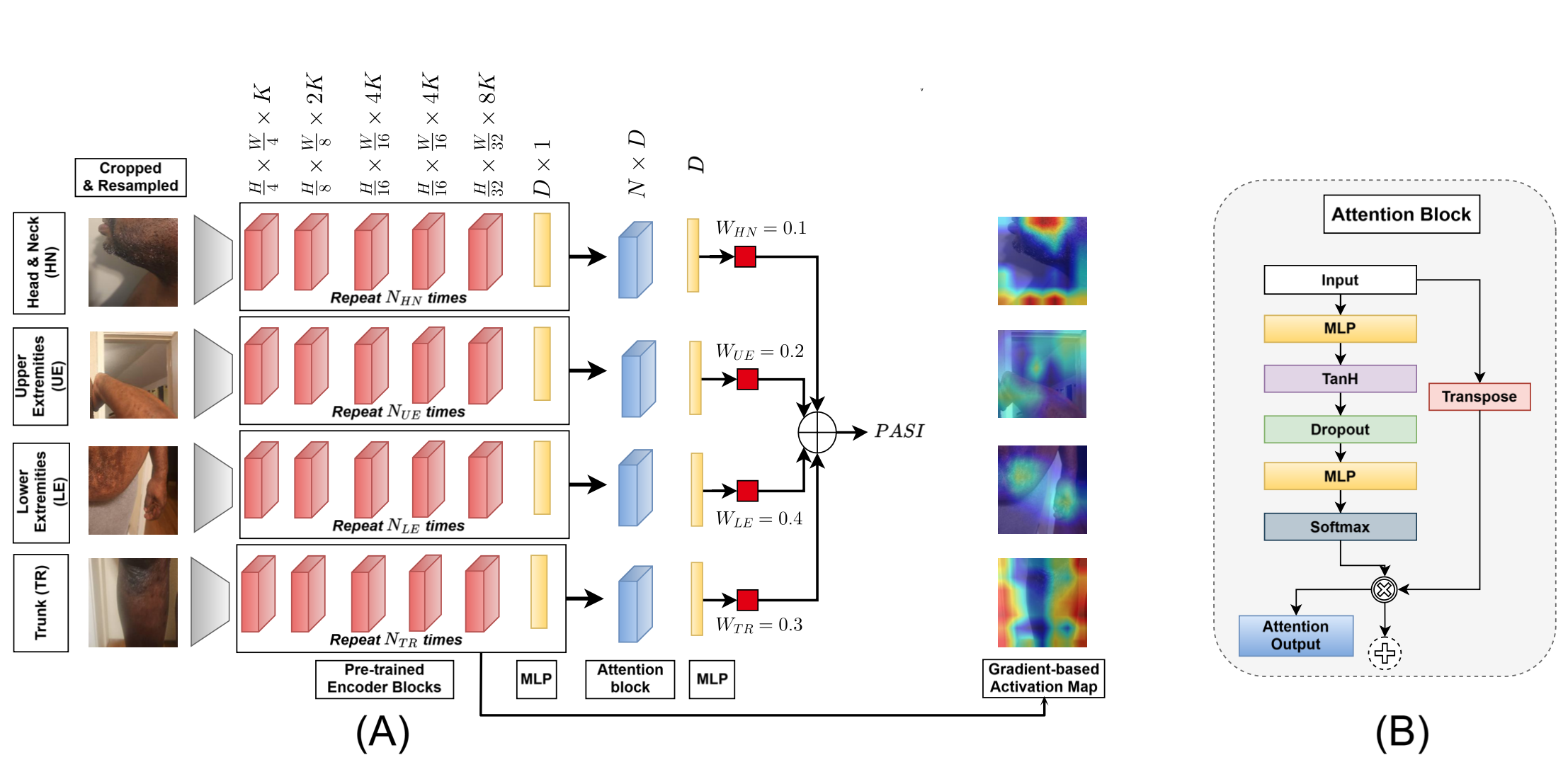
Sharif Amit Kamran, Molly V Lucas, Brendon Lutnick, Chaitanya Parmar, Basudha Pal, Asha Patel Shah, David Apfel, Steven Fakharzade, Llyod Miller, Stephen Yip, Kristopher Standish, Gabriela Oana Cula ISBI, 2025 Psoriasis is a chronic skin condition that requires ongoing treatment and assessment. While PASI (Psoriasis Area and Severity Index) is commonly used to measure severity, it has drawbacks, including the need for on-site clinic visits and time-consuming dermatologist ratings. We introduce PSO-Net, an interpretable model that analyzes images from various anatomical regions to produce attention-based scores and predict PASI. Our method includes a novel regression activation map for enhanced interpretability, achieving SoTA inter-class correlation scores against two clinician readers. |
|
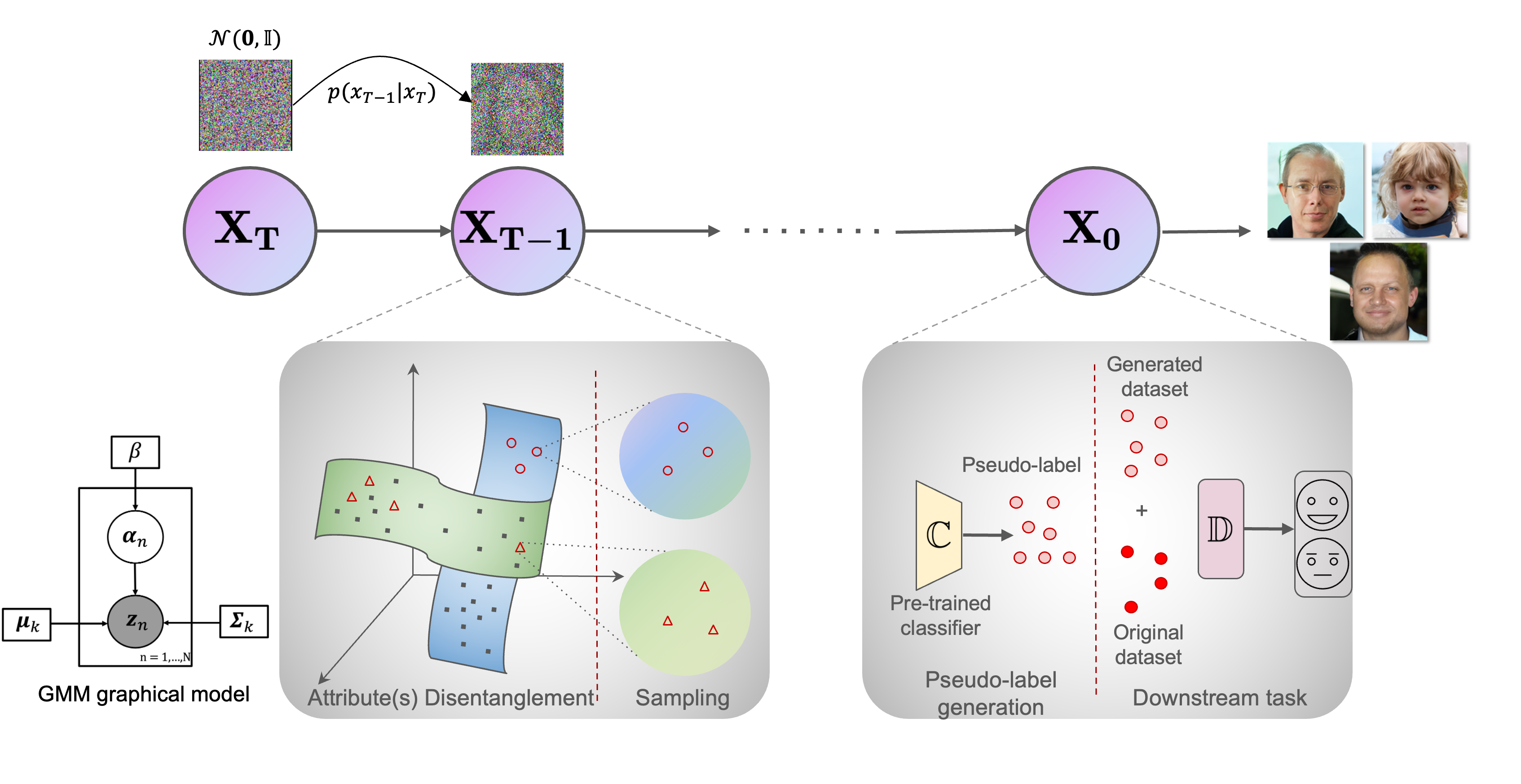
Basudha Pal, Arunkumar Kannan, Ram Prabhakar Kathirvel, Alice J. O'Toole, Rama Chellappa ECCV, 2024 GAMMA-FACE introduces a novel approach to address bias amplification in face-generative diffusion models using Gaussian Mixture Models (GMMs). By leveraging GMMs, we disentangle facial attributes and localize the means within the latent space of the diffusion model, effectively reducing bias on-the-fly without the need for retraining. |
|
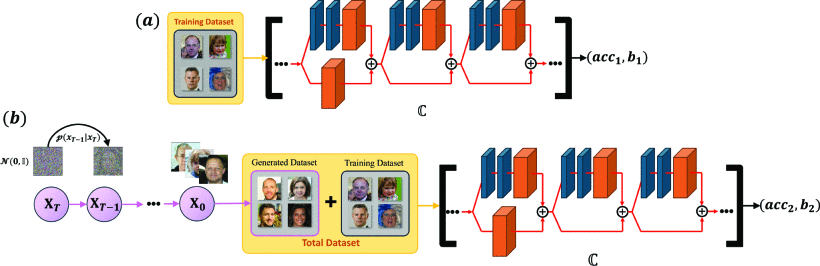
Basudha Pal, Aniket Roy, Ram Prabhakar Kathirvel, Alice J. O'Toole, Rama Chellappa IJCB 2024 Special Session: Responsible AI for Biometrics, 2024 DiversiNet addresses demographic biases in deep learning models trained on limited datasets by augmenting underrepresented data with conditional diffusion-generated samples. Experiments show reduced bias and improved accuracy across sensitive target attributes in face images. |
|
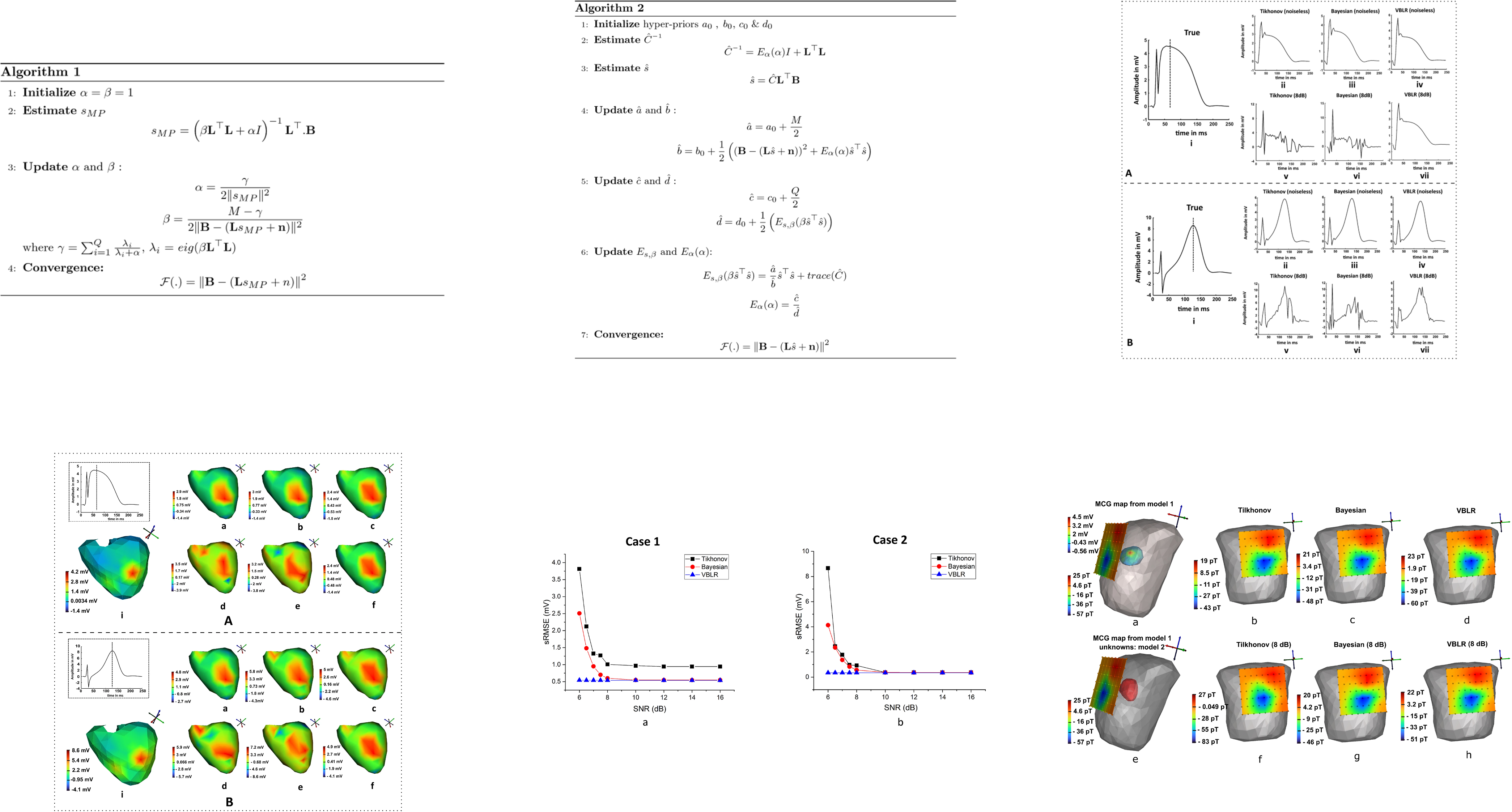
Vikas R Bhat, Basudha Pal, Anitha H, Ananthakrishna Thalengala Scientific Reports, Nature, 2022 This project addresses inverse cardiac source localization using analytical and probabilistic methods, starting with Tikhonov regularization to estimate heart surface potentials from MCG signals. We introduce a Variational Bayesian inference approach for more accurate reconstructions, comparing it to traditional Bayesian methods and evaluating performance with RMSE and correlation metrics, including applications for myocardial infarction localization. |
|
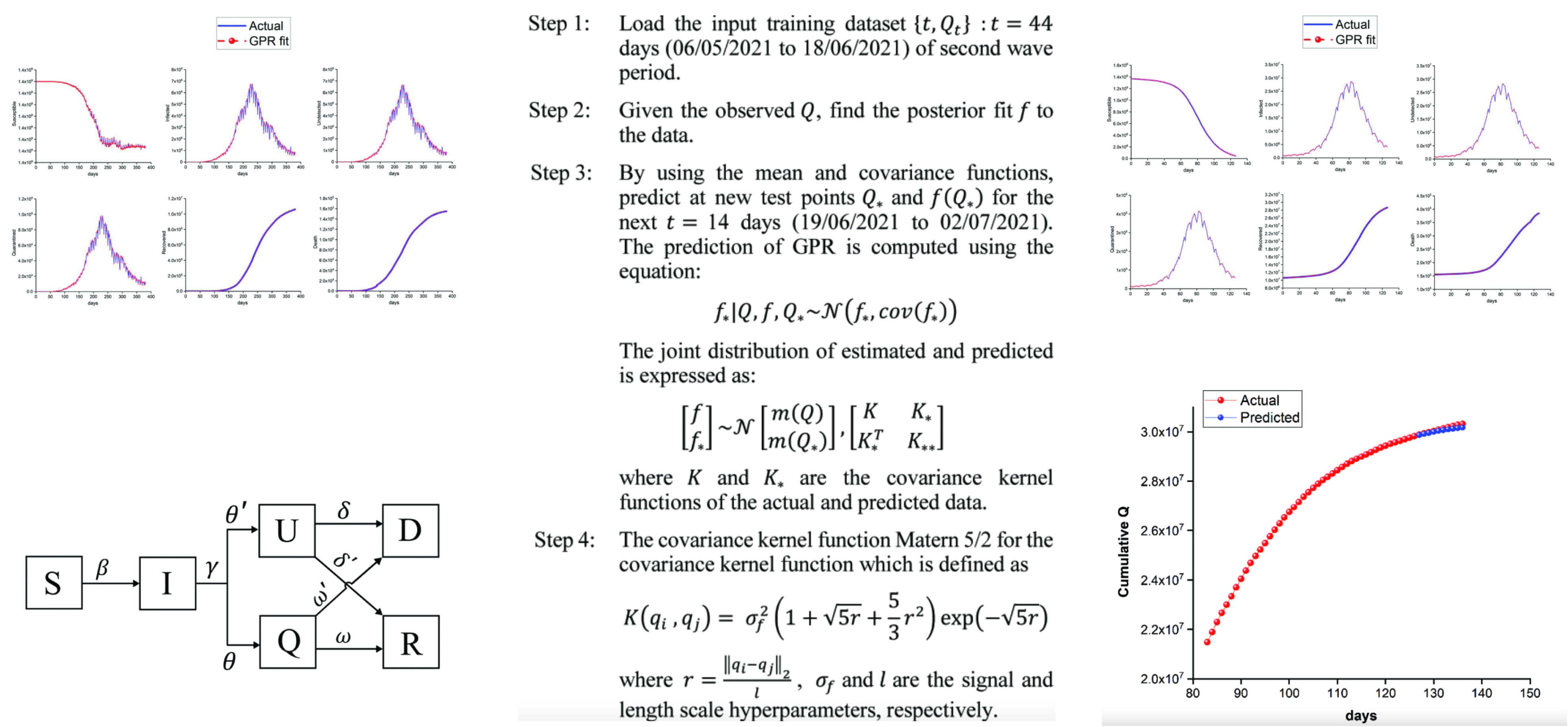
Basudha Pal, Vikas R Bhat, Anitha H IEEE ICECCT, 2021 This study presents an SIUQRD model for COVID-19 in India, estimating parameters for the first and second waves and predicting cases from June 19 to July 2, 2021, using Matern 5/2 GPR. The model’s predictions closely matched actual data, marking its first application for COVID-19 forecasting in India. |
Miscellania
|
|
|